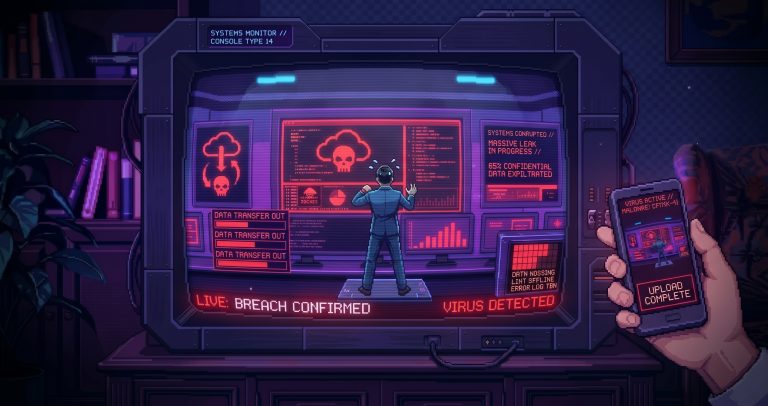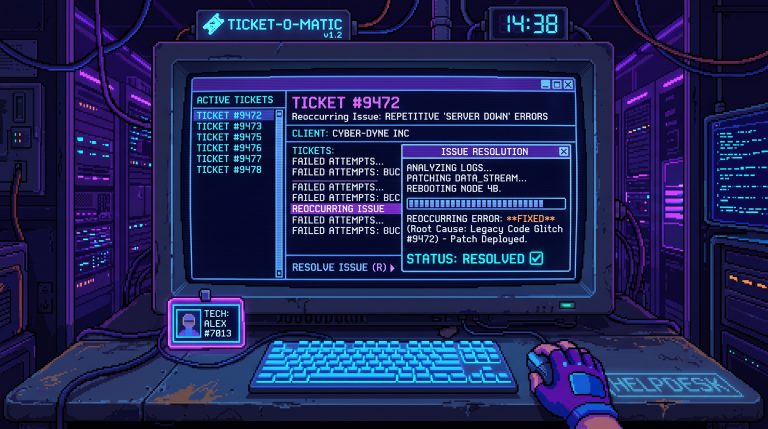







One thing remains constant in technology: change. One day everything is working fine, and the next the system administrator is trying to work out from a 6,523-line log what might have happened to the mail server.
IT system migration for businesses
Companies merge, strategies change, and the IT infrastructures and yet, even so, they end up in a state of brilliant chaos. This is where migration comes into the picture – that is, when we realise that our solution up to now has been a wooden cart pulled by a hamster, and it’s time to switch to a modern, cloud-based sports car.
Migration can be a system update carried out with a few tears of joy („Hey, this new email client isn’t half bad!”) or a disaster that descends into utter chaos („Why have all our documents from 2003 gone missing?!”).
Typical migration situations
- We are replacing a local server with a a modern cloud-based service (because, let’s face it, nobody actually enjoys maintaining a 15-year-old Exchange server).
- Two companies merge, and suddenly, somehow, 13 Various IT systems need to be integrated.
- The company realises that its current data centre has more cobwebs than security updates, so it decides instead to moved to the cloud the whole thing.
Migration can mean many things: an exciting opportunity for the company to catch up with the 21st century – or an IT horror film, where all the data vanishes into thin air in the blink of an eye.
In this in a series of articles We’ll highlight the different types of migration, what the pitfalls are, and how to navigate them sensibly. If you’ve ever been told that „Moving house will be easy…” and if you spent the next few days just drinking coffee, feeling anxious, then we’ve written this series just for you.
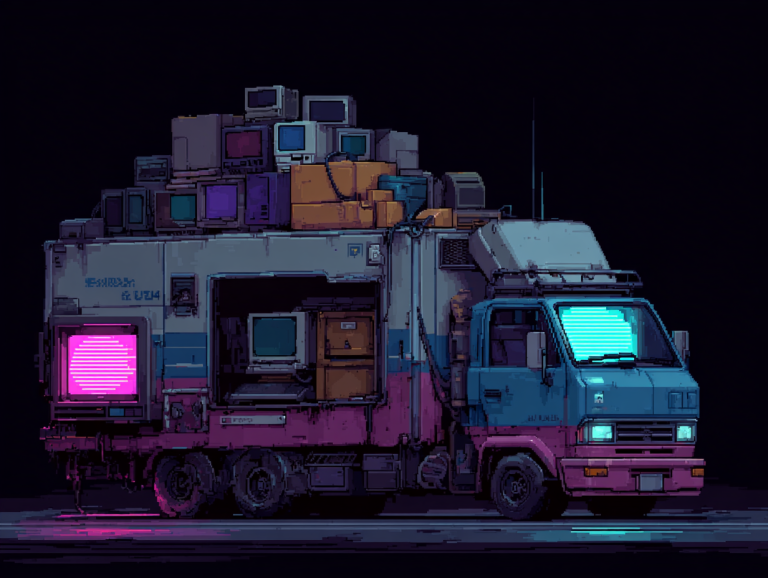
The next topics in our series of articles
- How NOT to go about a migration if you don’t want to drive your colleagues up the wall?
- When is it worth moving on from legacy systems, and when is it better to steer clear of the idea of migration?
- What is the worst-case scenario, and how can the damage be minimised?
Stay tuned, because whilst migration can be a bit of a hassle, it’s much more bearable with a touch of humour! 😉
And if you need any help, please get in touch with us and let’s plan the seamless migration!